South London removals in South London

South London removals should feel organised, careful and straightforward from the first conversation through to the final placement of your belongings. We focus on moving household contents with practical planning, protected handling and clear communication, so the process is easier to manage whether you are changing flat, moving from a family home or arranging a smaller local move. The service is centred on removal work that keeps items secure and the day moving in a sensible order.
Our removals approach is built around the details that matter in a real move: access, timing, lifting, loading and the safe transport of furniture, boxes and mixed household goods. Where needed, we can also support packing and unpacking, furniture pick-up and wider move planning. If you are comparing options, our removals service gives a broader view of the work, while home moves is a useful place to look when the job is mainly residential. You can also see pricing and quotes once you are ready to request a quotation.
For many customers, the best starting point is a concise description of what needs moving and how the property is arranged. A short inventory, clear access notes and any awkward items help shape a realistic plan. If you have specialist pieces, narrow stairs or limited parking, tell us early so the move can be approached sensibly. When you are ready, ask for a quotation and we will help you move forward with the next step.
House removals planned around the property and the load

House removals usually involve more than simply moving boxes from one address to another. Furniture needs to be assessed for size, weight and disassembly, while packed items benefit from being grouped in a way that keeps the load balanced. We handle the practical side of residential removal work with care, aiming to reduce unnecessary handling and keep the move orderly from the first lift to the final unload.
Different homes call for different handling choices. A compact flat move may depend on tight hallways and stair turns, while a larger house can involve more rooms, larger furniture and heavier contents. Our house movers and house removalists pages describe related residential support, while house removals shows the main service in a more direct form. These pages are useful if you want to compare the scope of the work before you enquire.
Useful preparation can make a quotation clearer and the moving day easier to organise. Where possible, note the number of rooms, any especially heavy or fragile items, and whether access is straightforward at both ends. If you prefer, separate the pieces that need dismantling or extra protection. Good information does not need to be long; it just needs to be accurate enough for the move to be planned sensibly.
Packing support, furniture handling and secure movement

Packing and unpacking support can be valuable when you want the contents of a property handled in a more structured way. We can work with household boxes, breakable items and mixed room contents so that items are packed in a sensible order and unpacked in a way that helps you settle in. This is especially useful when the move includes a wider range of items than you want to manage alone, or when time needs to be used carefully.
Some moves also include individual items that are best dealt with separately from the main load. If you only need a smaller collection of belongings shifted, furniture pick-up may be relevant, while packing and unpacking services provide a closer look at the support available around household contents. For vehicle-related choices, pages such as moving van and moving truck offer a useful way to compare transport options against the size of the job.
In practical terms, careful packing is about fit, protection and sequence. Fragile pieces need enough cushioning, books and dense items should be kept manageable, and mixed boxes should be labelled clearly enough to help with unloading. We also pay attention to the order in which items leave the property, because a sensible loading pattern makes the move less awkward. That matters just as much as the vehicle itself.
Transport choices for local and longer domestic moves
Choosing the right transport for a removals job is not only about capacity. It also affects how efficiently furniture can be loaded, whether multiple trips are likely and how much handling the contents will need. For some moves, a simpler vehicle option may be appropriate, while others are better served by a larger load space. The aim is to match the transport to the job rather than force the job to fit the transport.
Our related pages removal van, removals van and removal truck hire are useful if you want to think through capacity and practical handling before deciding how the move should be arranged. We also provide information on man and van, man with a van and man with van style support, which can suit smaller or simpler removal tasks where a leaner setup is enough.
The most suitable option depends on the furniture involved, the number of boxes, the distance travelled and the loading conditions at each address. A move with a few key items can often be planned differently from a full household load, and that distinction helps shape a more efficient quotation. If you are unsure which format suits you, it is better to describe the job plainly than to guess the vehicle size yourself.
Commercial removals and office relocation support

Although domestic moves are the main focus for many customers, some removals also involve business premises, workstations or mixed-use properties. Commercial moves need orderly sequencing because furniture, paperwork, IT equipment and stored materials may all need different treatment. Our commercial moves and office removals pages cover this broader side of the service, while office relocation services is helpful where the aim is to keep a workplace move structured and manageable.
Business relocation work often benefits from clear grouping: desks together, boxed contents together, and any sensitive equipment identified before the move begins. That kind of organisation helps protect items and makes unloading more efficient. If you want to compare general business and household support, removal company and removal companies provide broader service information, while removal services gives a more general overview of the work we carry out.
For office and commercial customers, the most useful details are usually those that affect access and sequencing: floor level, lift use, item count and any equipment that needs special care. Keep the description practical and specific. That helps the quotation reflect the actual job rather than a general estimate based on limited information, and it makes the arrangement easier to follow on the day.
Practical planning for loading, access and item protection
Good planning is often what separates a smooth move from one that feels rushed. Access to the property, carrying distance, stairways, parking and the order in which rooms are cleared all influence how the work is handled. When the route in and out is clear, the move can be approached more calmly. When there are restrictions, it becomes even more important to plan the loading sequence and protect furniture properly.
Items with awkward shapes or delicate finishes deserve attention before the day starts. Mirrors, glass pieces, wardrobes, tables and soft furnishings may each need a different level of wrapping or dismantling. We encourage customers to identify anything that is unusually heavy, valuable or fragile so it can be treated appropriately. For customers considering wider support, our movers page explains the general moving approach, while moving van helps when you want to understand transport as part of the plan.
It also helps to think through the moving order within the property. Heavier items are normally handled differently from loose boxes, and rooms are usually cleared in a sequence that keeps walkways open. If some belongings will stay behind for a later date, mark them clearly so they are not loaded by mistake. That small amount of organisation can save time and avoid confusion when the vehicle is being loaded and unloaded.
About South London
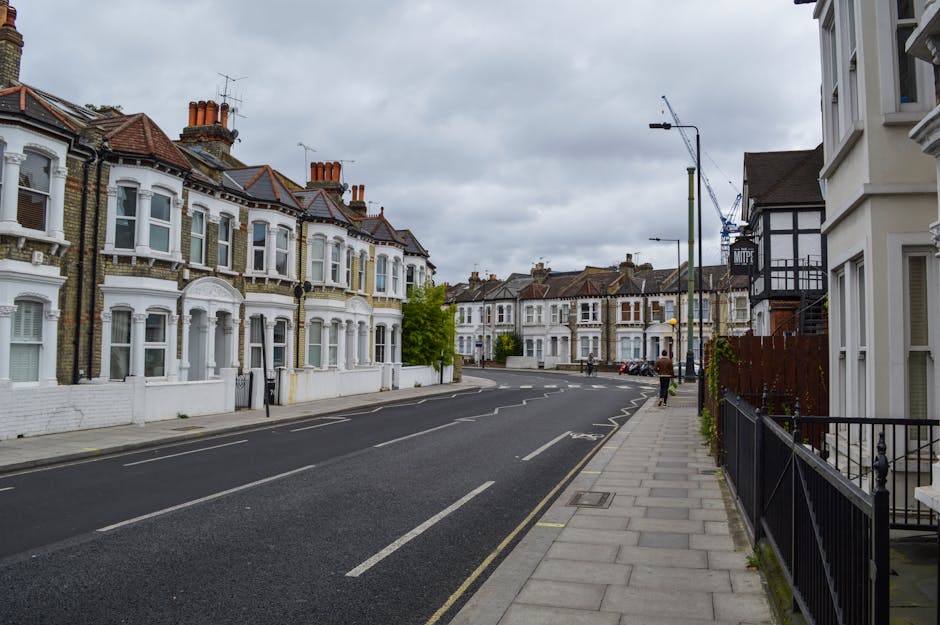
South London is not a single formally bounded district but a broad part of the capital south of the River Thames, made up of many distinctive boroughs, neighbourhoods and town centres. Its character changes noticeably from one place to another: riverside stretches give way to dense inner-city streets, while outer areas include greener residential suburbs and large commons. Historic routes, railway growth and later redevelopment have all shaped how the area looks today. The river remains an important reference point, but so do the bridges, rail lines and town centres that connect communities across the south side of the city. Places such as Lambeth, Southwark, Lewisham, Greenwich, Wandsworth, Croydon and Kingston each contribute a different urban texture, from historic civic buildings and market streets to shopping centres, conservation areas and parkland. The result is a region with a strong sense of local identity but no single uniform centre, where architecture and street life can vary block by block. Green spaces are a major part of the landscape too, with commons, parks and wooded areas offering relief from the density of the built environment. Cultural life is similarly varied, ranging from theatres and live music venues to galleries, local museums and long-established markets. Transport corridors have played a major role in shaping settlement here, and many districts developed quickly as London expanded during the nineteenth and twentieth centuries. That history is still visible in terraces, mansion blocks, interwar estates and newer mixed developments. Even where modern regeneration has changed individual streets, the underlying variety of the south side remains one of its defining features.
How we shape a quote around the move

Quotation requests are easier to assess when the move is described in practical terms. The most helpful details are the starting and ending postcodes, the property type, the number of rooms, any bulky items and whether packing is required. If there are access limits, narrow stairs, lift restrictions or parking concerns, mention those too. The aim is to prepare a quotation that reflects the real amount of work rather than a rough guess.
Where a move is straightforward, the quotation process can stay simple. Where it is more involved, a fuller description helps identify the right level of support, from transport alone to a more complete removals package. Our pricing and quotes page is a useful reference if you want to understand how quotes are requested, while contact us is the natural next step when you are ready to send the details across. If you are still comparing options, removals near me may also help you think about the service category in broader terms.
Once you have a clear picture of what needs moving, you can ask for a quotation with confidence. That does not mean every detail has to be final, only that the main facts are accurate enough to plan around. A sensible brief, even a short one, is usually enough to begin. Request your quote when you are ready, and we will help you take the next step.
Household moves with sensible support from start to finish
Not every removals job requires the same level of assistance, which is why it helps to match the service to the move rather than the other way round. Some customers mainly need transport and loading help, while others want more support around packing, furniture handling and room-to-room organisation. The service can be shaped around the items involved, whether the move is compact or more substantial, and whether it needs a simple collection or a more complete domestic move.
Pages such as man with van removal, man with a van removals and man with van are useful if you want to compare related service wording and see how smaller-scale moving support is presented. For a wider sense of the business structure, removals remains the main overview page, while removal company can be used to understand the broader service context.
What matters most is clarity about the job itself. A straightforward list of what is going, what is staying, and what needs special care will usually produce a more useful response than a broad request. If the move includes items with sentimental or practical value, identify them early so they can be treated carefully. That level of detail helps create a practical plan and a quotation that is aligned with the work to be done.