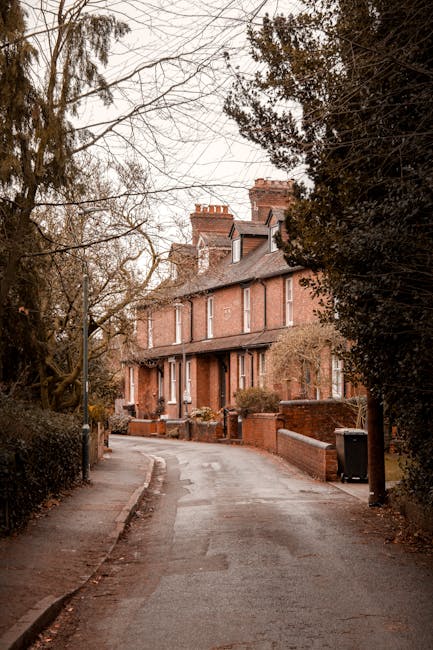
Wimbledon SW19 house removals what to expect
If you are planning a move in Wimbledon SW19, you probably want the honest version of events, not the glossy brochure version. Wimbledon house moves can be smooth, but they can also throw up narrow roads, parking headaches, awkward staircases, and that familiar moment when you realise the kettle is still in the wrong box. This guide on Wimbledon SW19 house removals what to expect walks you through the process in plain English, so you know what happens before, during, and after moving day. You will also get practical tips, a realistic checklist, and the kind of advice that saves time, stress, and a few headaches.
Whether you are moving from a flat near Wimbledon town centre, a family house by Wimbledon Common, or somewhere with tight access and limited loading space, the basics are the same: plan early, communicate clearly, and choose the right level of service for the job. Let's get into it.
Why Wimbledon SW19 house removals what to expect Matters
House removals are one of those things that look straightforward until you start listing everything involved. In Wimbledon SW19, that list can get longer than people expect. A move might sound simple on paper: pack, load, transport, unload, done. In real life, it includes access checks, parking arrangements, protective packing, timing around keys, and working around neighbours, lifts, and building rules.
That is why understanding what to expect matters so much. You are not just hiring a van and a couple of strong arms. You are coordinating a chain of small tasks that all need to line up. If one part slips, the whole day can feel more chaotic than it needs to be. And to be fair, nobody wants to discover on moving morning that the large wardrobe will not fit through the hallway.
Wimbledon adds its own local character to the mix. Some streets are roomy; others are decidedly not. Some homes have easy front access, while others need careful manoeuvring around steps, shared entrances, or residential parking controls. In a busy part of South West London, those details are not minor. They shape the whole experience.
A clear expectation also helps you choose the right type of service. For example, a small move may suit a flexible man and van option, while a full family house move may need a larger team, packing help, and a proper plan for fragile items. Knowing the difference can save money and prevent the classic "we should have booked more help" moment.
How Wimbledon SW19 house removals what to expect Works
A professional house removal usually follows a fairly recognisable pattern, even if every move has its own quirks. The practical steps may vary depending on the size of the property, the distance, and whether you need packing support, furniture dismantling, or storage. But the core process usually looks like this:
- Initial enquiry and quote - You explain what needs moving, where from and to, and any access issues. Good removal companies will ask questions about stairs, parking, fragile items, and inventory size.
- Survey or estimate - Some moves are priced from photos or a call; others may need a home visit or video survey. This is often the point where the small details make a big difference.
- Planning - Dates are confirmed, parking and access are checked, and the team works out how many movers and what size vehicle are needed.
- Packing and prep - You may pack yourself, or use packing and unpacking services if you want less stress and less cardboard chaos.
- Moving day loading - The team protects furniture, carries boxes, and loads the vehicle in a sensible order so fragile items are not buried under heavy ones.
- Transport and delivery - The move is completed, often with final checks to make sure nothing is left behind.
- Unloading and placement - Items are taken to the correct rooms, and if agreed, furniture may be reassembled.
That sounds simple, but the success of the day usually comes down to preparation. If you have ever stood in a hallway surrounded by half-packed boxes and a missing tape dispenser, you will know exactly what I mean. The good news? A bit of organisation goes a long way.
For many local moves, customers also compare broader service types such as home moves, house removals, and removal services to see which level of support fits the property and the budget.
Key Benefits and Practical Advantages
The biggest benefit of using an organised removal service is not just that heavy things get moved. It is the reduction in stress, delay, and damage risk. That sounds obvious, but when you are mid-move and someone is trying to carry a mattress down a narrow stairwell, obvious becomes very valuable.
Here are the main practical advantages:
- Less physical strain - Furniture, appliances, and stacked boxes are awkward at the best of times.
- Better time control - A well-planned move keeps the day from running away from you.
- Lower risk of damage - Professional handling and the right equipment make a real difference.
- Cleaner scheduling - If your sale and purchase timings are tight, efficient moving matters.
- More confidence on the day - Knowing what comes next helps you stay calm and make decisions quicker.
There is also a less obvious benefit: a good move sets up your first day in the new place better. Boxes land in the right rooms. The furniture is where you want it. The essentials are easier to find. It is amazing how much difference that makes after a long day.
Expert summary: The best Wimbledon SW19 house moves are not necessarily the fastest or the cheapest. They are the ones where the planning is thorough, the access is understood, and the service matches the property.
If you want a broader view of how a removal business can support different move sizes, it can help to compare movers, house movers, and house removalists before you book.
Who This Is For and When It Makes Sense
This kind of move makes sense for anyone relocating within Wimbledon SW19 or heading out of the area, but some people benefit more than others. Truth be told, the more complicated the property, the more value you usually get from professional help.
It is especially useful if you are:
- moving from a family house with multiple bedrooms
- relocating from a flat with stairs or limited lift access
- trying to move on a tight deadline
- carrying fragile, heavy, or awkward items
- moving with children, pets, or elderly relatives in the house
- balancing work commitments and do-it-yourself packing
It can also be a smart choice if you simply do not want the day to become an all-weekend ordeal. Let's face it, some people enjoy moving in theory more than in practice. Once the boxes start multiplying, enthusiasm tends to fade.
If your move is small, local, and light on furniture, a smaller vehicle or man and van style service may be enough. For larger households, a full removals service is usually more suitable because it can handle scale, timing, and protection more reliably.
Step-by-Step Guidance
Here is a practical outline of how to prepare for a house move in Wimbledon SW19 without making life harder than it needs to be.
1. Start with a proper inventory
List the big items, the fragile items, and anything awkward such as mirrors, bikes, garden tools, or bulky sofas. This helps the removal team estimate space and manpower more accurately.
2. Check access early
Look at parking, loading space, stairs, lifts, and front-door width. If the route from van to property is awkward, say so up front. Nobody enjoys discovering a tight turn with a sofa halfway through the move.
3. Decide what you are packing yourself
Many people pack books, clothes, and non-breakables, but leave glassware, artwork, and electronics to the professionals. If you want a smoother start, the option of packing and unpacking services is worth considering.
4. Label boxes clearly
Use room names and a short contents note. "Kitchen - mugs and kettle" is much better than "miscellaneous." Your future self will thank you by about 8 p.m.
5. Separate essentials
Keep a first-night bag with toiletries, chargers, medication, snacks, documents, and a change of clothes. This is one of those small details that makes a huge difference later on.
6. Confirm the moving day timing
Make sure you know when the team is arriving, where they can park, and who has keys at each end. That way, you avoid last-minute uncertainty.
7. Protect floors and furniture
Ask what coverings or wraps are used if you are concerned about carpets, wood flooring, or delicate surfaces. Good teams will usually have a routine for this.
8. Do a final sweep
Before the vehicle leaves, check cupboards, lofts, sheds, and behind doors. People forget surprisingly ordinary things when the day gets busy.
Expert Tips for Better Results
After enough moves, a few patterns become obvious. The smoothest ones are rarely the ones where everything went perfectly. They are the ones where the team and the customer stayed a step ahead of the problems.
- Book early if possible. Wimbledon moves can cluster around weekends, month-end dates, and school-holiday periods.
- Be honest about volume. If the loft is full or the shed is packed, say so. Underestimating is a classic mistake.
- Keep valuables with you. Passports, jewellery, laptops, and essential paperwork should not disappear into a box tower.
- Choose box sizes wisely. Smaller boxes are better for books; larger boxes are fine for lighter items. Overfilled boxes are a backache waiting to happen.
- Leave a clear path. Hallways cluttered with loose bags, shoes, and toys slow everything down.
- Check the weather. Rain is not a disaster, but it does change the way floors, boxes, and driveways need to be managed.
A small but useful habit: keep one room as the "moving day control point." That is where documents, keys, chargers, and final reminders live. It feels oddly old-fashioned, maybe, but it works.
If you are comparing different kinds of removals, it can also help to review options such as removal company support versus a lighter man with van arrangement. The right fit depends on the scale of the job, not just the postcode.
Common Mistakes to Avoid
Some moving problems are unavoidable. Others are self-inflicted. The good news is that most of the common mistakes are easy to prevent once you know what to look for.
- Leaving packing too late. You end up rushing, which usually means poor labelling and damaged items.
- Ignoring access issues. Narrow streets, parking restrictions, and stair access can all affect the plan.
- Not checking what is included. People sometimes assume dismantling, reassembly, or packing is covered when it is not.
- Overfilling boxes. A box of books may look neat, but your arms will not thank you.
- Forgetting the basics at the old property. Meters, keys, window checks, and cupboards are easy to miss.
- Choosing on price alone. The cheapest quote is not always the best value if it leads to delays or poor handling.
A move in Wimbledon SW19 can be efficient and calm, but only if the practical details are taken seriously. The odd thing is, the little details often matter more than the big ones. A parking space. A lift booking. A label on the right box. Tiny things, really. And yet they can make or break the day.
Tools, Resources and Recommendations
You do not need a warehouse of gear to get through a house move. A modest, sensible kit is usually enough. Think function over fuss.
Useful moving items
- strong cardboard boxes in mixed sizes
- packing tape and a dispenser
- marker pens for labelling
- bubble wrap or paper for breakables
- furniture blankets or covers
- zip bags for screws, plugs, and small fixings
- ratchet straps or ties for securing items in the vehicle
Useful planning habits
- photograph cable setups before unplugging them
- keep one folder for paperwork related to the move
- label boxes by room and priority
- pack one box of everyday essentials for the first night
If you want a little more help with preparation, articles such as how to get your house in tiptop shape before moving, a step-by-step guide to packing like an expert for your move, and crafting a peaceful move through decluttering are genuinely useful reads. They are the kind of practical guides people tend to wish they had opened a week earlier.
If your move includes special items, it is worth thinking carefully about handling requirements. A piano, for instance, is not just "another heavy object." Likewise, a sofa, mattress, or freezer needs a bit of planning rather than brute force. Those items deserve proper method, not optimism.
Law, Compliance, Standards, or Best Practice
For house removals, the main compliance concerns are usually practical rather than complicated, but they still matter. Removal work in the UK is often governed by standard business practices, insurance cover, health and safety duties, and any building or parking rules that apply locally.
From a customer perspective, the key things to check are straightforward:
- Insurance and liability - Ask what cover is in place for goods in transit and handling risks.
- Access and parking permissions - Some streets and buildings need advance planning, especially where loading restrictions apply.
- Health and safety procedures - Good practice includes safe lifting, proper equipment, and sensible team coordination.
- Terms and conditions - These should explain timing, cancellations, payment, and what happens if access is more difficult than expected.
- Data and privacy handling - If you are sharing personal details for quotes or bookings, you should expect those to be handled responsibly.
It is also sensible to ask about policies relating to fragile items, disassembly, and storage. Not because you expect trouble, but because clarity prevents awkward surprises later.
Professional firms often set out their approach to safety and handling in documents such as health and safety policy, insurance and safety, and terms and conditions. If you want to understand how pricing is presented, pricing and quotes can also help you compare services more confidently.
Best practice in removals is not about overcomplicating things. It is about being clear, careful, and realistic. That is usually enough.
Options, Methods, or Comparison Table
Different moves call for different approaches. Here is a practical comparison to help you decide what suits your situation in Wimbledon SW19.
| Option | Best for | Pros | Watch-outs |
|---|---|---|---|
| Man and van | Small flats, a few items, short-distance moves | Flexible, often quicker to arrange, good for lighter jobs | May not suit large households or heavy furniture |
| Full removals team | Family homes, larger inventories, busy moving days | More support, better for complex logistics, less strain on you | Usually costs more than a small-scale option |
| Packing plus removals | People short on time or nervous about fragile items | Reduced stress, better packing consistency, smoother moving day | Needs more budget and earlier planning |
| Self-pack with transport only | Budget-conscious moves with manageable contents | Cheaper, more control over packing | More work for you, higher risk if packing is rushed |
In practice, many Wimbledon customers end up somewhere between these options. For example, they may pack clothes themselves, use a removal company for the heavy lifting, and add packing help for breakables. That mixed approach can work very well.
If you are still deciding, comparing broader service pages like removal companies, removal companies and removals near me can help you think through service level, convenience, and local fit. One small note: choose based on your move, not just the slogan on the homepage.
Case Study or Real-World Example
Here is a realistic Wimbledon-style scenario.
A couple moving from a two-bedroom flat near Wimbledon station had a short completion window and limited parking outside the property. They had several boxes, a sofa, a bed, a dining table, fragile kitchen items, and a few awkward extras like a mirror and a bicycle. The building had a lift, but it was small, and the corridor was tight. Not dramatic, but enough to need proper planning.
They started by listing everything they wanted moved and checking what could be packed early. Clothes, books, and spare bedding were boxed first. Fragile items were set aside for careful wrapping. They also confirmed where the vehicle could stop and made sure keys would be ready at the new place before the crew arrived.
On moving day, the team loaded the larger items first and protected the flooring at both ends. Because the boxes were labelled well, the unloading process was quicker than expected. The sofa needed a bit of manoeuvring, naturally, but nothing that turned into a problem. By late afternoon, the essentials were in the right rooms, the bed was assembled, and the kettle was already out. That last part matters more than people admit.
The real lesson? Good preparation makes the actual move feel much lighter. There was still work, of course. There always is. But the stress stayed manageable.
Practical Checklist
Use this checklist in the final week before your move. It is simple, but it covers the essentials.
- confirm moving date and arrival time
- check parking and access at both properties
- book any required lift slot or building permission
- finish packing non-essentials
- label every box clearly
- set aside valuables and important documents
- disconnect appliances if needed
- empty cupboards, lofts, and storage spaces
- take meter readings if relevant
- prepare a first-night box
- protect floors and door frames if required
- do a final room-by-room check before departure
Quick tip: keep your first-night box near the door, not buried under three layers of "miscellaneous." It sounds obvious. It rarely is on moving day.
Conclusion
Wimbledon SW19 house removals are much easier to handle when you know what to expect. The process is not mysterious, but it does reward good planning, clear communication, and realistic thinking about access, packing, and timing. If you prepare properly, the move feels less like a scramble and more like a well-managed handover.
That is really the aim: not a perfect day, because those are rare, but a calm and controlled one where the furniture arrives safely, the boxes go where they should, and you can breathe a bit easier at the end. A move should feel like progress, not punishment. And honestly, that is achievable.
Get a free quote today and see how much you can save.
If you are moving in Wimbledon, take it step by step, ask the practical questions early, and keep the essentials close. The rest tends to fall into place, bit by bit.
Frequently Asked Questions
How far in advance should I book Wimbledon SW19 house removals?
As early as you reasonably can, especially if you want a specific date or you are moving at the end of the month. Earlier booking gives you more choice and more time to prepare the details properly.
What affects the cost of a house move in Wimbledon?
Size of property, volume of items, access, packing needs, distance, and timing all affect the quote. A move with stairs, awkward parking, or fragile items may take longer and need more care, which can influence pricing.
Do I need to pack everything myself?
No. Many people pack clothes, books, and ordinary household items themselves, then ask for help with fragile or bulky pieces. Packing support can be a real relief if you are short on time or not keen on bubble wrap duty.
What should I do about parking on moving day?
Check parking rules well before the move and explain any restrictions to the removals team. If the vehicle cannot stop nearby, loading can take longer, so it is best to sort that out in advance.
How do I know if I need a man and van or a full removals team?
If you are moving a small amount of furniture or the property is compact, a smaller service may be enough. If you have a large household, stairs, or a lot of boxes, a full team is usually the safer and less stressful choice.
What items should I keep with me instead of putting on the van?
Keep valuables, key documents, medications, chargers, and anything you need immediately after arrival with you. It is better to have those items in one small bag than buried in a moving box.
Can removal companies dismantle and reassemble furniture?
Some can, but it is always best to confirm this before booking. Do not assume it is included. Bed frames, tables, and wardrobes often need a bit of extra time, and that should be planned for.
What if my new home is not ready when the removal team arrives?
That is one reason good communication matters. If there is a delay, tell the removals company as soon as possible so they can adjust the schedule or advise on the next step.
How do I reduce the risk of damage during the move?
Use strong boxes, avoid overpacking, wrap fragile items carefully, and make sure heavier items are loaded securely. A careful team plus sensible packing is usually the best combination.
Are house removals in Wimbledon suitable for flats as well as houses?
Yes. Flats often need even more planning because of lifts, stairwells, shared access, and parking. A flat move can be straightforward, but access details matter a lot.
What documents should I prepare before moving day?
Keep booking confirmations, ID, new address details, utility information, and any building or parking permissions together. Having everything in one place makes the day feel less frantic.
What is the biggest mistake people make with house removals?
Underestimating how much time and space the move really needs. That usually leads to rushed packing, poor labelling, and unnecessary stress. A bit of honesty up front saves a lot later.
Is it worth using packing services for a local Wimbledon move?
Often, yes, if you are busy, have fragile items, or simply want the day to feel easier. Even on a short local move, professional packing can make the whole process smoother and less tiring.
If you want to explore the company behind these services, you can also look at about us or review the main house removals page for a clearer sense of the service offering. And if you are ready to take the next step, it is worth checking the available support before the move becomes a last-minute scramble.